
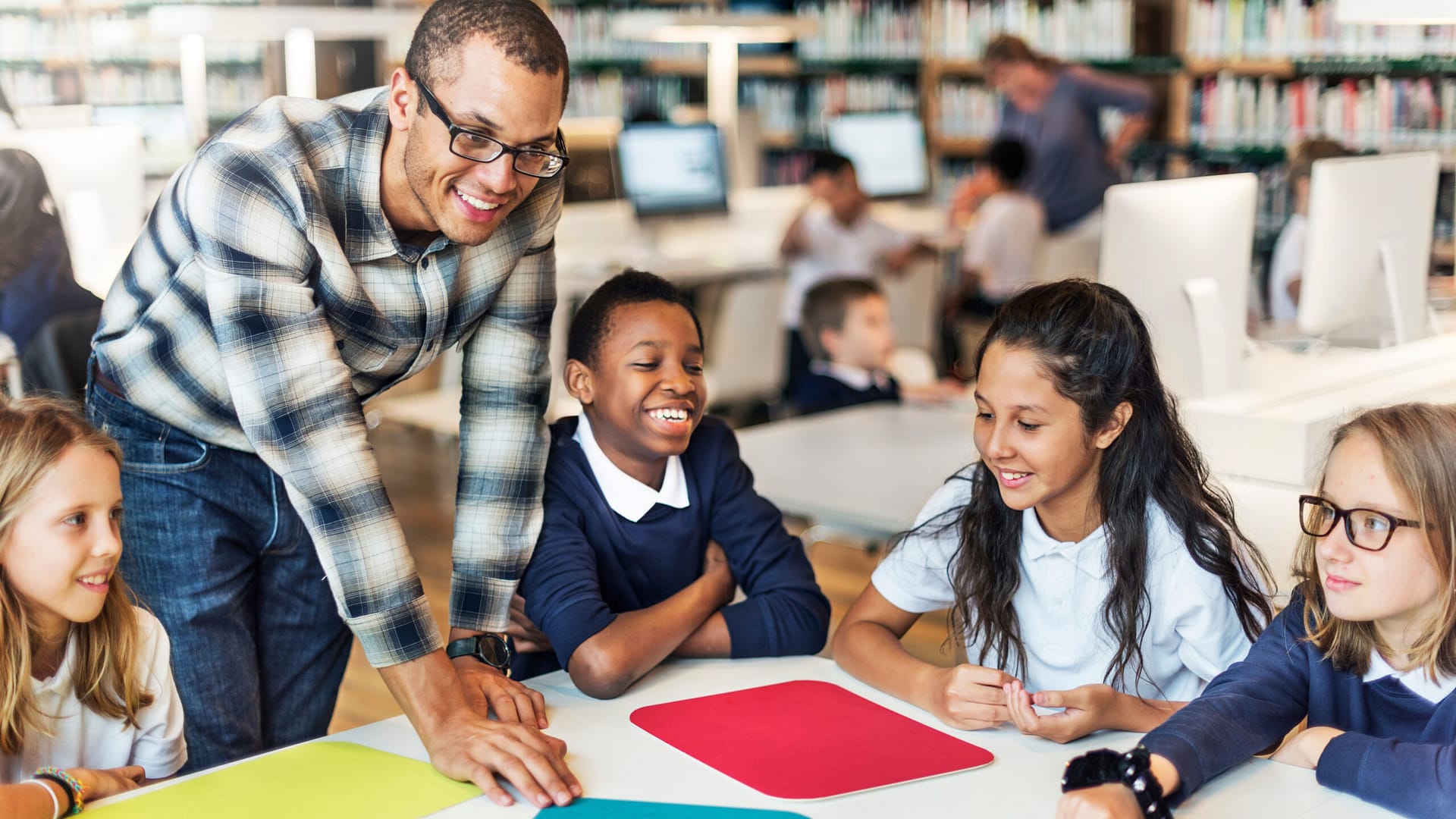
Keeping students engaged in class is one of the hardest challenges in education today. Attention spans are shorter, distractions are everywhere, and “one-size-fits-all” lessons don’t work anymore. That’s where personalized learning comes in. It’s not about replacing teachers with technology, it’s about using data and smart tools to give each student what they need, when they need it.
Let’s explore how personalization helps build engagement, what research says about it, and how schools can start implementing it today.
Why personalization matters now
Studies from RAND Corporation, OECD, and EdWeek Research Center show that students learn better when lessons are tailored to their pace, interests, and learning styles.
In RAND’s multi-year study on personalized learning, schools that used personalized methods saw higher engagement and steady academic growth, especially when teachers were actively involved in planning and guiding students.
Another 2023 meta-analysis found that teacher-student relationships are one of the strongest drivers of engagement. Personalization helps teachers connect better because they can focus on feedback and mentoring instead of routine grading.
In short: personalization doesn’t just make learning more effective – it makes it more human.
5 simple ways personalization builds engagement
1. Give students voice and choice
When students choose what project to do or how to show their understanding, they become more motivated.
- Example: Let students decide between creating a digital story, coding a simple app, or presenting a video.
Research shows that when students have the freedom to make choices in their learning, they feel more motivated and take greater ownership of their progress.
2. Set small learning goals
Breaking lessons into smaller goals helps students see progress quickly.
- Example: Instead of one big quiz, give short 5-minute checkpoints each week. Immediate feedback keeps them engaged and builds confidence.
Research shows that timely feedback improves classroom relationships and learning retention.
3. Use teacher-led personalization
AI tools can save time, but teachers make personalization powerful.
Use platforms like RevolutionEd to see where each student is struggling, then group them for short “focus sessions.”
A 2023 study found that classrooms using teacher-guided personalization had higher engagement than those using automated systems alone.
4. Make learning relevant
Personalization should reflect students’ interests, backgrounds, and experiences.
- Example: Connect math problems to sports data or art-based design projects.
The OECD’s learning compass 2030 shows that relevance boosts both emotional engagement and long-term retention.
5. Keep the challenge balanced
If lessons are too easy, students get bored. Too hard, and they give up.
Adaptive tools (like RevolutionEd) adjust difficulty automatically to keep students in the “just right” zone – where challenge meets success.
How schools can put this into action
You don’t need a big overhaul to start. Try this 30-day plan:
- Week 1: Map student interests and learning levels.
- Week 2: Create two personalized project options.
- Week 3: Use small data insights (from RevolutionEd) to form target groups.
- Week 4: Review what worked and expand it to more subjects.
When schools take a small-step approach to personalization, results are stronger and more consistent.
Final thoughts
Personalization isn’t about adding more tech but it’s about using tech to bring back connections. When students feel seen, supported, and challenged at their level, they show up with energy and curiosity. That’s the real win.
At RevolutionEd, we help teachers save time and bring learning to life through AI-powered lesson personalization.
Start your free demo today and see how easy it can be to build more engaged, motivated classrooms.