Which Is Better, Generative or Collaborative AI?
Generative AI has become a major trend in content creation, enabling authors, marketers, and businesses to produce high volumes of text, images, or other media with just a prompt. However, its strictly input-to-output nature can sometimes limit the final product’s depth, creativity, and user-centered focus. Enter Collaborative AI, a new frontier that generates content and evolves in tandem with user feedback, suggestions, and re-iterations.
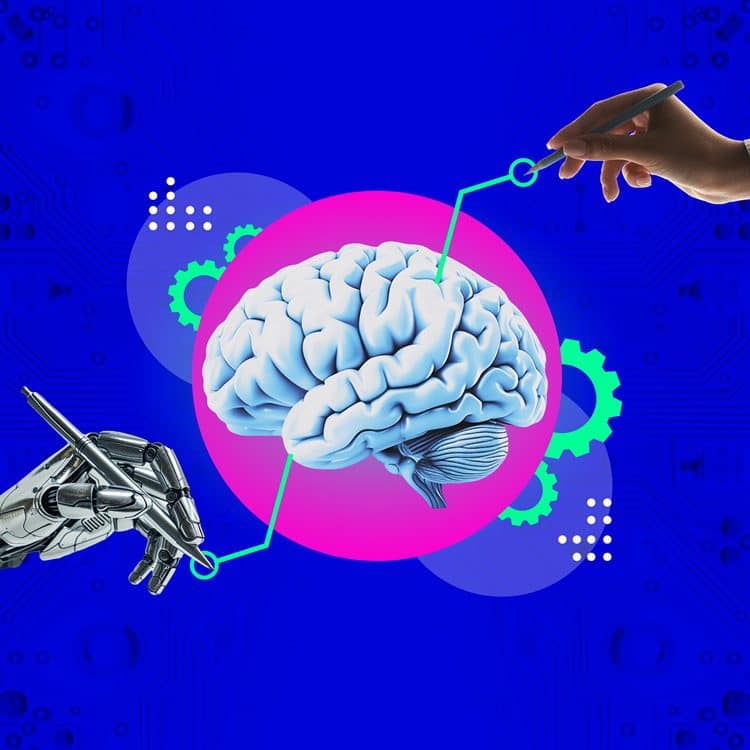
Here, we’ll dive into the core differences between generative and collaborative AI, exploring how collaboration amplifies the AI’s potential for higher-quality, more goal-oriented results. Whether you’re a content strategist, educator, or simply someone interested in the latest tech, understanding this shift could transform how you harness AI’s capabilities.
Generative AI refers to artificial intelligence systems that create new content, be it text, images, or code, based on patterns they’ve learned from training data. You provide a prompt, and the AI responds with an output. However, this process often stops at that first step. While efficient for drafting blog posts or brainstorming design ideas, generative models by themselves don’t inherently focus on iterative improvements or align deeply with specific user feedback.
Collaborative AI builds on this foundation but adds a crucial layer: continual interaction with the user. Instead of a one-off response, Collaborative AI thrives on suggestions, clarifications, and re-introduction of ideas from the user, guiding the process to meet a specific outcome. This allows for refinement, ensuring the generated content aligns more closely with user goals, whether that’s clarity, brand voice, or creative flair. In short, collaborative AI isn’t just about creation; it’s about co-creation.
Understanding The Difference
Understanding how Collaborative AI differs from pure generative approaches is vital for several reasons:
Quality Over Quantity: Generative AI can churn out immense amounts of content, but without user-driven iteration, it’s easy to lose relevance or depth. Collaborative AI prioritizes quality by involving users in every step.
Goal Alignment: In many fields, marketing, education, healthcare, and content must meet rigorous standards and specific objectives. Collaborative AI allows users to guide AI outputs to match end goals perfectly.
User Engagement: Collaboration fosters a feedback loop. Users feel empowered as co-creators, leading to more refined ideas and solutions.
Adaptive Creativity: Instead of only relying on AI’s learned patterns, collaborative approaches incorporate human insight, cultural awareness, and creative expression. This synergy often yields more innovative results.
By recognizing these benefits, organizations and individuals can elevate their planning, production, and finalization of AI-driven content.
How AI Works
The Generative AI Process
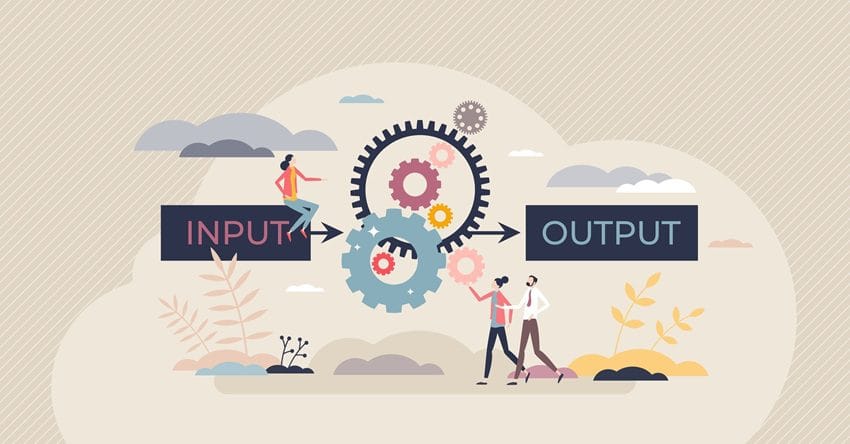
Generative AI models use machine learning techniques to recognize patterns and generate new material:
Data Ingestion & Training: The AI is trained on vast datasets, such as text corpora or image libraries.
Prompt & Output: You provide a request (a prompt), and the AI generates content based on patterns from its training data.
One-Way Flow: Traditionally, the process ends once the AI produces its output unless a new prompt restarts it.
While powerful, this linear approach can lead to outputs that may miss nuanced user requirements or evolving project goals.
The Collaborative AI Process
Collaborative AI builds on these same generative methods but includes an essential layer of user feedback loops:
Continuous Dialogue: After an initial draft, users can highlight issues, request expansions, or specify alternate directions.
Iterative Refinement: The AI refines its content based on the user’s guidance, adjusting style, tone, or details.
Feedback Integration: Old outputs can be re-introduced to the AI, allowing it to learn user preferences over multiple cycles. This fosters consistent improvement.
Parallel Collaboration: The AI and user work together toward a shared vision, melding the best of AI-driven speed with user-driven focus.
Key Tools & Methods
Suggestion Triggers: Collaborative platforms allow real-time suggestions that the AI incorporates immediately.
Version Control: Users can revert to older versions or track changes, ensuring no idea is lost.
Guided Templates: Pre-built workflows (such as marketing campaign outlines or educational rubrics) help AI and users stay aligned on the end goal.
Contextual Prompts: Users continually provide context (audience, brand voice, or specialized knowledge), enabling the AI to precisely tailor outputs.
Through these mechanisms, Collaborative AI makes the creation process dynamic. It’s not simply about generating content once; it’s a partnership where the final product emerges from a synergy of machine efficiency and human creativity.
Benefits of Collaborative AI
Higher-Quality Outputs
Relevance and Accuracy: By allowing iterative feedback, Collaborative AI swiftly corrects errors or outdated information, ensuring that each draft is closer to the user’s vision.
Depth of Content: Users can request additional layers of detail, references, or clarifications, pushing the AI to produce well-rounded material.
Goal Alignment
Focused Approach: Whether you’re drafting a research paper or marketing copy, you can steer the AI to meet industry-specific criteria, style guidelines, or learning objectives.
User-Centric Workflow: Since you remain involved at every stage, the end product reflects your exact goals, from tone of voice to technical specifications.
Creativity & Innovation
Human Insight, Machine Potential: The user’s domain knowledge complements the AI’s broad learning, leading to novel ideas that neither could produce alone.
Cultural & Contextual Awareness: Humans can guide AI to respect cultural nuances or brand ethos, helping avoid generic or insensitive content.
Reduced Workload, Greater Satisfaction
Automation of Repetitive Tasks: While the AI handles initial drafts or repetitive edits, users can focus on strategic thinking, creative direction, and final decisions.
Empowerment Through Collaboration: Involving users in the iterative process fosters a sense of ownership, making the content development journey more rewarding.
By blending generative capabilities with user-driven collaboration, the content isn’t just generated; it’s honed, shaped, and perfected.
Challenges & Ethical Considerations
While Collaborative AI offers numerous advantages, it also brings challenges:
Data Privacy: Greater user involvement often means sharing more proprietary details or personal information with the AI. Ensuring robust data security protocols is essential.
Bias & Fairness: Generative models may retain biases from their training data. User oversight and iterative refinement help mitigate these biases, but it’s a continuous effort.
Over-Reliance on AI: When the AI seems highly capable, there’s a risk of users deferring too much of the creative process. Balancing AI efficiency with human judgment is crucial.
Time Commitment: Iterative collaboration requires more input from users. While final content quality improves, individuals or teams must be prepared to invest this additional time.
By proactively addressing these concerns through robust data governance, bias checks, and clear collaboration strategies, organizations and individuals can maximize the benefits of Collaborative AI.
Getting Started with Collaborative AI
Ready to elevate your content creation process? Here’s how:
Choose a Collaborative AI Platform: Look for AI powered tools that offer real-time feedback loops and version control.
Define Your Goal: Be clear on the purpose, style, and depth of the content you need.
Iterate & Refine: Don’t hesitate to review drafts multiple times. Each iteration sharpens your final output.
Stay Engaged: Incorporate new ideas, re-introduce past content, and explore creative tangents to shape the AI’s responses.
Experience how working with AI, rather than letting it work alone, can transform the quality and direction of your content.
Time to Co-Create
Generative AI introduced us to a groundbreaking new way of producing content. Collaborative AI takes that innovation further, providing a flexible, iterative environment where users shape and refine each output. By melding AI’s speed and efficiency with user insight, you achieve more aligned, creative, and meaningful content, ultimately fulfilling your goals more effectively.
Ready to step into the future of AI-driven content? Embrace collaboration and watch your ideas evolve in ways you never thought possible. It’s time to co-create, not just generate.