Why Teachers Are Quitting In 2025 – It’s Not Just About The Pay

Teacher Dissatisfaction in 2025

Teachers are the backbone of our education system, shaping the minds and futures of millions of children each year. But in 2025, many teachers are walking away from classrooms—not simply because of low pay, but because the job itself has become unsustainable.

Despite modest gains in salary and a return to in-person learning, too many teachers are burned out, overwhelmed, and unable to find a work-life balance that makes staying in the profession feel worth it. If we want to keep great teachers in classrooms, we need to understand what’s truly driving them away—and what can bring them back.


Across the United States, teacher dissatisfaction and burnout are driving record attrition rates. While pay remains a valid concern, emerging data suggests that the root of dissatisfaction lies deeper, in unmanageable workloads, a lack of planning time, and a work-life imbalance that even salary increases can’t address.

According to the RAND Corporation’s 2024 survey, teacher dissatisfaction remains high despite rising salaries in some districts, where teachers consistently report time pressures and stress as primary reasons for leaving. RAND’s findings reveal that 44% of teachers reported frequent job-related stress, compared to 35% of working adults overall, and work-life balance was cited more often than pay as a primary factor in dissatisfaction.

The RAND study warns that even with modest improvements in well-being since the pandemic’s worst days, turnover remains above pre-pandemic norms, and the cost of attrition puts additional strain on schools and school districts.

Why Are Teachers Quitting in Record Numbers?


The Growing Crisis of Teacher Burnout and Work-life Imbalance - graphical representation

The U.S. Bureau of Labor Statistics reports that the education sector has one of the highest quit rates among professional occupations, with educators leaving for careers with less stress and more personal time. The National Center for Education Statistics (NCES) reports that teacher attrition rates have risen steadily since 2020, primarily driven by unsustainable workloads and increased expectations outside of instructional hours.

Recent statistics reveal the problem is not isolated.

  • More than half (54%) of teachers report struggling with work-life balance.
  • Nearly 60% report experiencing frequent job-related stress.
  • Sixty-eight percent of teachers surveyed report that teaching is “overwhelming” often or extremely often.
  • Three-quarters (75%) say they often struggle to switch off from work tasks, even at home; 41% say they’re never able to.

Survey data from the National Education Union in the UK and the Healthy Mind Network in the US agree:

Teachers habitually work evenings (62%), weekends (55%), and often need to cancel personal plans for their job (36%). This pattern is most acutely felt by teachers in the early stages of their careers. Teachers say they grade papers late into the night, spend weekends planning, managing after-school activities, and are often required to step into roles beyond their official job descriptions. 

Teachers face burnout when they can’t reclaim personal time for family, health, and rest. Increased pay is nice, but it can’t solve these problems. 

The Psychological Impact of Working in Education: When Work Crowds Out Life

Leading psychological experts have long warned that chronic work/life imbalance leads to burnout—a syndrome of emotional exhaustion, cynicism, and reduced efficacy. The American Psychological Association (APA) links work-life conflict to higher rates of stress, impaired mental health, and decreased job performance.

The chronic imbalance between employees’ work and personal lives increases the risk of depression, anxiety, and burnout, all of which undermine both productivity and overall well-being.
– (APA, “Psychology of Work-Lifespan Perspective”) [APA Reference: Not in search, but direct APA guidelines]

Similarly, a Harvard Business Review study on work-life balance highlights that employee effectiveness declines sharply when personal time is consistently sacrificed for work, leading to “effort without impact,” where teachers may work longer hours but produce diminishing results.

Teachers Deserve Better Pay, But It’s Not Enough. Here’s Why.

While salary matters, it’s not a silver bullet. The same RAND study revealed that only 36% of teachers feel their pay is adequate. Yet, even when comparing similarly paid professionals, satisfaction gaps persist due to the sheer demands of the job.

According to a 2023 American Psychological Association (APA) report, chronic overwork leads to emotional exhaustion, poor mental health, and reduced workplace performance. Without addressing these root issues, pay raises function like a band-aid over a much deeper wound.

In other words, you can’t buy back a teacher’s evening or weekend with a pay increase alone. Without system-level changes that reduce unnecessary workload and provide planning support, pay raises are only a temporary buffer against burnout.

How Does Teacher Burnout Affect Education Quality?

Burnout isn’t just a personal crisis for educators; it’s a threat to student outcomes. Emotional exhaustion—a core symptom of burnout—has been linked to higher teacher turnover, decreased instructional quality, and lower student performance, according to studies published by the National Institute of Health.

When teachers are overworked, it affects their ability to deliver high-quality, engaging instruction, leading to higher student disengagement, lower test scores, and increased behavioral issues in classrooms. Students suffer when teachers are stretched too thin. Research from the US Department of Education notes that excessive workloads compromise a teacher’s ability to prepare engaging lessons or provide meaningful feedback. That, in turn, lowers student motivation, engagement, and academic growth.

How to Make Teachers’ Lives Easier 


Satisfied teacher using revolutioned.ai for lesson planning

So, what does work? According to the APA and studies from Harvard University, the solution lies in structural support systems:

  • Scheduled Planning Time: Block periods built into the school day for prep work
  • On-site Mental Health Resources: Access to wellness programs and stress management tools
  • Administrative Support: Help with behavior management and parental communication
  • Technical Resources: Increasingly, technologies and resources are available to help lighten the workload of individual teachers while improving student outcomes.
  • Professional Development Autonomy: Letting teachers choose how they grow.

International models—such as Finland’s education system—show that teacher autonomy, shorter school days, and collaborative planning time lead to better outcomes without increasing pay.

A Path Forward: Beyond the Paycheck

To address the teacher dissatisfaction crisis, schools and policymakers must prioritize work-life balance with the same urgency as salary discussions. 

Finding and prioritizing advanced technology, such as AI-powered lesson planning collaboration tools, can help teachers save hours in planning while improving instructional quality. This allows them to reclaim time for their personal lives, reduce burnout, and increase job satisfaction.

Because when teachers feel supported by their administrations, are supported with time-saving educational tools, balanced expectations, and a culture that values their well-being, they are more likely to stay—and thrive—in the profession.

Generative AI vs Collaborative AI

Which Is Better, Generative or Collaborative AI?

Generative AI has become a major trend in content creation, enabling authors, marketers, and businesses to produce high volumes of text, images, or other media with just a prompt. However, its strictly input-to-output nature can sometimes limit the final product’s depth, creativity, and user-centered focus. Enter Collaborative AI, a new frontier that generates content and evolves in tandem with user feedback, suggestions, and re-iterations.

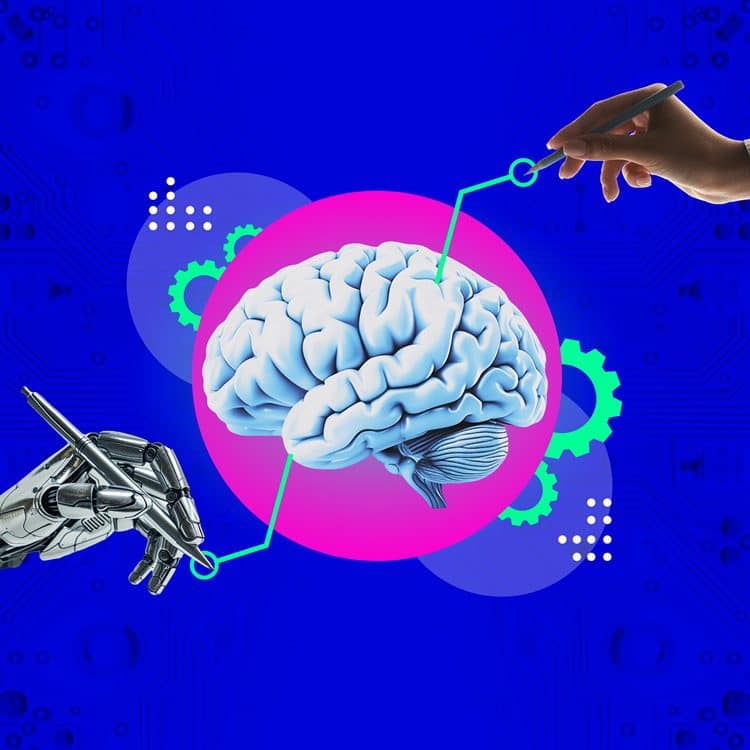
A human and a robotic hand send data to a brain

Here, we’ll dive into the core differences between generative and collaborative AI, exploring how collaboration amplifies the AI’s potential for higher-quality, more goal-oriented results. Whether you’re a content strategist, educator, or simply someone interested in the latest tech, understanding this shift could transform how you harness AI’s capabilities.

Generative AI refers to artificial intelligence systems that create new content, be it text, images, or code, based on patterns they’ve learned from training data. You provide a prompt, and the AI responds with an output. However, this process often stops at that first step. While efficient for drafting blog posts or brainstorming design ideas, generative models by themselves don’t inherently focus on iterative improvements or align deeply with specific user feedback.

Collaborative AI builds on this foundation but adds a crucial layer: continual interaction with the user. Instead of a one-off response, Collaborative AI thrives on suggestions, clarifications, and re-introduction of ideas from the user, guiding the process to meet a specific outcome. This allows for refinement, ensuring the generated content aligns more closely with user goals, whether that’s clarity, brand voice, or creative flair. In short, collaborative AI isn’t just about creation; it’s about co-creation.

Understanding The Difference

Understanding how Collaborative AI differs from pure generative approaches is vital for several reasons:

Quality Over Quantity: Generative AI can churn out immense amounts of content, but without user-driven iteration, it’s easy to lose relevance or depth. Collaborative AI prioritizes quality by involving users in every step.

Goal Alignment: In many fields, marketing, education, healthcare, and content must meet rigorous standards and specific objectives. Collaborative AI allows users to guide AI outputs to match end goals perfectly.

User Engagement: Collaboration fosters a feedback loop. Users feel empowered as co-creators, leading to more refined ideas and solutions.

Adaptive Creativity: Instead of only relying on AI’s learned patterns, collaborative approaches incorporate human insight, cultural awareness, and creative expression. This synergy often yields more innovative results.

By recognizing these benefits, organizations and individuals can elevate their planning, production, and finalization of AI-driven content.

How AI Works

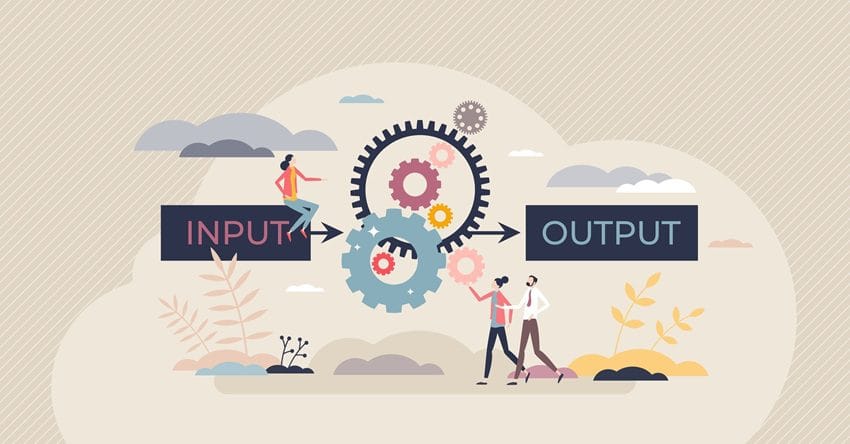
illustration depicting input and output

The Generative AI Process

Generative AI models use machine learning techniques to recognize patterns and generate new material:

Data Ingestion & Training: The AI is trained on vast datasets, such as text corpora or image libraries.

Prompt & Output: You provide a request (a prompt), and the AI generates content based on patterns from its training data.

One-Way Flow: Traditionally, the process ends once the AI produces its output unless a new prompt restarts it.

While powerful, this linear approach can lead to outputs that may miss nuanced user requirements or evolving project goals.

The Collaborative AI Process

Collaborative AI builds on these same generative methods but includes an essential layer of user feedback loops:

Continuous Dialogue: After an initial draft, users can highlight issues, request expansions, or specify alternate directions.

Iterative Refinement: The AI refines its content based on the user’s guidance, adjusting style, tone, or details.

Feedback Integration: Old outputs can be re-introduced to the AI, allowing it to learn user preferences over multiple cycles. This fosters consistent improvement.

Parallel Collaboration: The AI and user work together toward a shared vision, melding the best of AI-driven speed with user-driven focus.

Key Tools & Methods

Suggestion Triggers: Collaborative platforms allow real-time suggestions that the AI incorporates immediately.

Version Control: Users can revert to older versions or track changes, ensuring no idea is lost.

Guided Templates: Pre-built workflows (such as marketing campaign outlines or educational rubrics) help AI and users stay aligned on the end goal.

Contextual Prompts: Users continually provide context (audience, brand voice, or specialized knowledge), enabling the AI to precisely tailor outputs.

Through these mechanisms, Collaborative AI makes the creation process dynamic. It’s not simply about generating content once; it’s a partnership where the final product emerges from a synergy of machine efficiency and human creativity.

Benefits of Collaborative AI

Higher-Quality Outputs

Relevance and Accuracy: By allowing iterative feedback, Collaborative AI swiftly corrects errors or outdated information, ensuring that each draft is closer to the user’s vision.

Depth of Content: Users can request additional layers of detail, references, or clarifications, pushing the AI to produce well-rounded material.

Goal Alignment

Focused Approach: Whether you’re drafting a research paper or marketing copy, you can steer the AI to meet industry-specific criteria, style guidelines, or learning objectives.

User-Centric Workflow: Since you remain involved at every stage, the end product reflects your exact goals, from tone of voice to technical specifications.

Creativity & Innovation

Human Insight, Machine Potential: The user’s domain knowledge complements the AI’s broad learning, leading to novel ideas that neither could produce alone.

Cultural & Contextual Awareness: Humans can guide AI to respect cultural nuances or brand ethos, helping avoid generic or insensitive content.

Reduced Workload, Greater Satisfaction

Automation of Repetitive Tasks: While the AI handles initial drafts or repetitive edits, users can focus on strategic thinking, creative direction, and final decisions.

Empowerment Through Collaboration: Involving users in the iterative process fosters a sense of ownership, making the content development journey more rewarding.

By blending generative capabilities with user-driven collaboration, the content isn’t just generated; it’s honed, shaped, and perfected.

Challenges & Ethical Considerations

While Collaborative AI offers numerous advantages, it also brings challenges:

Data Privacy: Greater user involvement often means sharing more proprietary details or personal information with the AI. Ensuring robust data security protocols is essential.

Bias & Fairness: Generative models may retain biases from their training data. User oversight and iterative refinement help mitigate these biases, but it’s a continuous effort.

Over-Reliance on AI: When the AI seems highly capable, there’s a risk of users deferring too much of the creative process. Balancing AI efficiency with human judgment is crucial.

Time Commitment: Iterative collaboration requires more input from users. While final content quality improves, individuals or teams must be prepared to invest this additional time.

By proactively addressing these concerns through robust data governance, bias checks, and clear collaboration strategies, organizations and individuals can maximize the benefits of Collaborative AI.

Getting Started with Collaborative AI

Ready to elevate your content creation process? Here’s how:

Choose a Collaborative AI Platform: Look for AI powered tools that offer real-time feedback loops and version control.

Define Your Goal: Be clear on the purpose, style, and depth of the content you need.

Iterate & Refine: Don’t hesitate to review drafts multiple times. Each iteration sharpens your final output.

Stay Engaged: Incorporate new ideas, re-introduce past content, and explore creative tangents to shape the AI’s responses.

Experience how working with AI, rather than letting it work alone, can transform the quality and direction of your content.

Time to Co-Create

Generative AI introduced us to a groundbreaking new way of producing content. Collaborative AI takes that innovation further, providing a flexible, iterative environment where users shape and refine each output. By melding AI’s speed and efficiency with user insight, you achieve more aligned, creative, and meaningful content, ultimately fulfilling your goals more effectively.

Ready to step into the future of AI-driven content? Embrace collaboration and watch your ideas evolve in ways you never thought possible. It’s time to co-create, not just generate.

Collaborative Learning in the AI Age: Building Community with STEAM-4-Schools

Education has always been a gateway to progress. But in today’s rapidly evolving, tech-driven world, traditional methods alone aren’t enough to prepare students for the challenges ahead. Enter RevolutionEd —a visionary platform fueling a collaborative, innovative, and inclusive approach to learning that integrates AI to revolutionize education as we know it.

This post explores how STEAM-4-Schools fosters a vibrant, connected ecosystem designed for educators, students, and institutions. From enriching the learning experience to empowering educators to lead with confidence, STEAM-4-Schools proves that the future of education is built on the foundation of collaboration.

What Is STEAM-4-Schools?

At its core, STEAM-4-Schools (S4S) bridges the gap between education and cutting-edge technology, combining Science, Technology, Engineering, Arts, and Mathematics (STEAM) with artificial intelligence. But S4S isn’t just about tools or curriculum—it’s about creating an ecosystem where educators and students work in tandem, supported by forward-looking institutions, to co-create the learning environments of tomorrow.

By fostering collaboration at all levels—student-to-student, teacher-to-student, and school-to-community—S4S makes learning engaging, dynamic, and personalized.

Why Collaboration Matters in Education

The future demands innovators, problem-solvers, and thinkers who can thrive in team-driven environments. Collaborative approaches don’t just reflect workplace realities; they also strengthen students’ ability to:

  • Work across disciplines: STEAM integrates creative arts into traditionally technical fields, encouraging out-of-the-box thinking.
  • Harness AI responsibly: Students learn to partner with AI tools to enhance, not replace, critical thinking and problem-solving.
  • Build empathy and teamwork: Peer collaboration promotes understanding of diverse perspectives, preparing students for a globalized workforce.

STEAM-4-Schools places these benefits squarely within reach of educators and learners alike. But how does the platform make this vision a reality? Here’s a deeper look.

The STEAM-4-Schools Ecosystem

At the heart of STEAM-4-Schools lies an ecosystem that prioritizes collaboration, empowerment, and innovation. Here’s how it works:

1. Students as Explorers and Creators

S4S encourages students to step beyond textbooks and become hands-on creators. Through AI-powered learning tools, students can:

  • Design their own experiments with AI-enabled simulations.
  • Build and program robots through gamified experiences.
  • Explore the arts in tech by integrating virtual reality into storytelling.

This active participation not only engages students but also gives them ownership of their learning journeys.

2. Empowering Educators with Tailored Tools

Educators are central to the STEAM-4-Schools mission. By combining powerful AI tools with teacher-friendly interfaces, S4S helps reduce manual workloads and allows teachers to focus on what matters most—mentoring and inspiring students.

  • AI-Generated Lesson Plans: Educators receive customizable, state-aligned lesson plans curated to their subjects and students’ needs.
  • Real-Time Insights: AI analyzes student progress, providing actionable data to help teachers address challenges and celebrate milestones.
  • Interactive Training: Teachers can take part in training sessions that show them how to use AI tools effectively, demystifying the technology.

3. Institutions as Catalysts for Change

Schools and districts play a critical role in adopting and sustaining innovative learning models. STEAM-4-Schools provides institutions with the resources to:

  • Monitor holistic success across classrooms through detailed analytics dashboards.
  • Foster interdisciplinary projects that bring different academic departments together.
  • Develop curricula tailored to specific educational goals, ensuring alignment with both state STEM standards and local community needs. 
  • Incorporate local information and real-world examples into lesson plans, helping students connect their classroom work to their own environments and experiences. 
  • Utilize adaptive learning technologies to personalize instruction, addressing the unique challenges and opportunities within each school district.

4. Community Building

STEAM-4-Schools emphasizes the power of learning together. The platform connects classrooms across districts or even countries, enabling knowledge-sharing and collaboration on global projects.

  • AI-Powered Collaboration: Teachers and students can problem-solve and co-create together in shared digital spaces, enhanced by AI-driven tools.
  • STEAM Fairs: Schools can showcase projects online, creating opportunities for feedback from industry experts and peers.
  • Parent Engagement: Through online portals, parents stay informed about their child’s progress and can offer support.

With a foundation rooted firmly in collaboration, STEAM-4-Schools helps transform learning environments into thriving hubs for creativity, innovation, and growth.

How STEAM-4-Schools Supports Teachers and Prepares Students for the Future

STEAM-4-Schools (S4S) is designed to help teachers save time on administrative tasks while enhancing educational outcomes, all while equipping students with future-ready skills. Here’s how it works in practice: 

Streamlined Lesson Planning with AI 

Teachers can use S4S’s AI-powered tools to create dynamic lesson plans in minutes, freeing up time to focus on engaging students. From generating tailored assignments to automating grading, S4S takes care of the repetitive tasks so teachers can focus on teaching. 

Personalized Learning Journeys 

With S4S, students gain access to personalized learning experiences that match their interests and skill levels. AI tools guide students through cross-disciplinary projects, helping them develop critical thinking, creativity, and problem-solving skills to prepare for the jobs of the future. 

Collaboration Across Classrooms 

S4S enables teachers to connect students with peers from other schools, fostering collaboration on real-world challenges. Whether designing solutions for sustainability or exploring AI-driven projects, students build teamwork and innovation skills in a global context. 

By reducing administrative burdens for teachers and creating meaningful, future-focused learning opportunities for students, S4S is transforming education for the modern world.

Benefits of Building Collaborative STEAM Platforms

Why is collaboration such a crucial ingredient in the AI-enhanced STEAM recipe? Here’s how it benefits everyone involved:

  • For Students: Fosters a growth mindset, critical thinking, and adaptability to new challenges.
  • For Educators: Reduces administrative burdens while enhancing their ability to individualize teaching.
  • For Institutions: Positions schools as leaders in innovation, building reputations for forward-thinking education.
  • For Society: Nurtures the next generation of creative problem-solvers equipped to tackle the complexities of a fast-changing world.

By integrating collaboration into every layer of the learning process, STEAM-4-Schools helps build not just better students, but better communities.

How to Get Started with STEAM-4-Schools

Revolutionizing education with STEAM-4-Schools is easier than you might think. Whether you’re an educator looking to infuse your class with innovation, or an institution eager to lead the charge toward AI integration, here’s how you can begin:

  1. Visit RevolutionEd to explore what we offer.
  2. Sign up for a free trial to test how the platform works in your unique educational environment.
  3. Access personalized training and join the network of pioneering educators like you.

Start today, and discover the power of collaboration as the key to unlocking tomorrow’s potential.

A Future Built on Collaboration

STEAM-4-Schools transforms the learning experience by making it collaborative, innovative, and engaging. Beyond preparing students for the future, it helps them shape it—equipped not just with skills, but with the confidence and creativity to thrive in any field. Together, educators, students, and institutions can create a world where collaborative, AI-enabled education drives meaningful change.

It’s not just about adapting to the future—it’s about building it. Will you join us?

5 Ways AI is Transforming the Classroom Experience

Discover how iCode is leading the charge in making education more engaging, personalized, and innovative with AI-driven solutions.

Artificial Intelligence (AI) continues to redefine various industries, with education being one of the foremost fields undergoing a significant transformation. As an Instructional Technology Specialist and AI Technologies Expert, I have observed firsthand how AI is not merely augmenting traditional pedagogical methods but revolutionizing the very fabric of the classroom experience. In this article, I will elucidate five pivotal ways AI is shaping the future of education, with a particular focus on how iCode is spearheading these advancements to create a more engaging, personalized, and innovative learning environment.

1. Personalized Learning Pathways

Traditional education models predominantly follow a one-size-fits-all approach, which often neglects the individual needs and strengths of students. AI, however, enables the creation of personalized learning pathways tailored to each student’s unique learning style, pace, and interests. Through sophisticated algorithms, AI can analyze vast amounts of data on student performance and preferences, thereby recommending customized learning activities that maximize engagement and efficacy.

iCode Example: iCode utilizes AI-driven platforms to assess student progress in real-time, offering adaptive learning experiences that cater to different skill levels. This ensures that each student is neither held back nor left behind, promoting a more inclusive and equitable educational environment.

2. Enhanced Engagement through Interactive Learning

AI-powered tools and applications facilitate a more interactive and engaging classroom experience. By integrating gamification, simulations, and virtual reality, AI transforms mundane lessons into immersive learning experiences that captivate students’ attention and foster a deeper understanding of complex concepts.

iCode Example: At iCode, AI integrations are employed to develop interactive coding environments and virtual labs where students can experiment, create, and debug in real-time. This hands-on, experiential approach not only enhances comprehension but also ignites a passion for STEM subjects.

3. Intelligent Tutoring Systems

While traditional tutoring services can be beneficial, they are often constrained by availability and cost. AI-driven Intelligent Tutoring Systems (ITS) overcome these barriers by providing students with continuous, on-demand access to personalized tuition. These systems leverage natural language processing and machine learning to understand student queries and provide immediate, contextually appropriate feedback.

iCode Example: iCode’s implementation of ITS ensures that all students have access to high-quality tutoring support, regardless of their location or socio-economic background. This democratization of education resources empowers students to achieve their full potential.

4. Automated Administrative Tasks

Administrative tasks such as grading, scheduling, and attendance tracking can be labor-intensive and time-consuming for educators, detracting from their core instructional responsibilities. AI automates these routine processes, enhancing efficiency and allowing educators to focus more on student interaction and pedagogical improvements.

iCode Example: iCode employs AI systems to automate administrative tasks, significantly reducing the burden on educators. By streamlining these processes, educators are free to dedicate more time and energy to curriculum development and personalized student support.

5. Predictive Analytics for Proactive Interventions

AI’s predictive analytics capabilities allow educators to identify at-risk students and intervene proactively before issues escalate. By analyzing patterns in student data, AI can predict potential dropouts, academic struggles, or disengagement, enabling timely interventions that foster continued academic success and retention.

iCode Example: Utilizing predictive analytics, iCode identifies students who may be struggling or disengaged and implements targeted support strategies. This proactive approach not only helps in mitigating academic challenges but also ensures a supportive learning environment for all students.

Conclusion

The infusion of AI into the classroom is not a distant future prospect but a burgeoning reality that promises to overhaul traditional education paradigms. Through personalized learning pathways, enhanced engagement, Intelligent Tutoring Systems, automated administrative tasks, and predictive analytics, AI is revolutionizing the educational landscape. iCode stands at the forefront of this transformation, harnessing AI-driven solutions to create a more dynamic, inclusive, and effective learning experience.

For further in-depth analysis and practical implementations of AI in education, I recommend consulting my recently published works, which delve into the intersection of instructional technology and AI. As we navigate this exciting frontier, it is imperative that educators, tech specialists, and policy-makers collaborate to maximize the potential of AI while maintaining a commitment to equitable and ethical education practices.

Through informed application and innovation, we can truly transform the classroom experience for future generations.

Why Do Kids Need Computer Science Education if AI Writes Code?

The advent of AI-generated code has made a significant impact in the field of software development, prompting a critical question: If artificial intelligence can write code, why should we invest in computer science education for our children? The answer is multifaceted and profoundly significant. As an Instructional Technology Specialist and AI Technologies Expert, I seek to elucidate the critical reasons underpinning the necessity of computer science education in the context of AI’s capabilities.

1. Learning to Write Equals Learning to Read

 Can you imagine a world where we stopped teaching kids to write, because AI can write for us? Who would be able to read? The same holds true for code. AI is an outstanding tool to help software developers do their jobs more efficiently. But they will always have to fully understand the code being produced in order to effectively correct the mistakes the AI inevitably makes, optimize the output and use those blocks to build the complex programs they are working to prefect.  In order to understand code, you need to learn how to write it. 

2. Cognitive Development and Problem-Solving Skills

Aside from the main learning objectives outlined in any particular course, computer science education cultivates essential soft skills like cognitive and problem-solving skills. Understanding programming concepts involves logical reasoning, pattern recognition, and algorithmic thinking. It is through the rigorous engagement with these concepts that students develop a mindset capable of tackling complex, multifaceted challenges. This problem-solving prowess extends beyond computer science, enriching students’ approach to everyday life and various academic disciplines. While AI can generate code, it lacks the ability to replace the cognitive developmental benefits students gain from learning to code themselves.

3. Understanding the Mechanics of AI

While AI can generate code, its underlying mechanisms and principles are rooted deeply in human-designed algorithms and data structures. Understanding AI requires a robust foundation in computer science. Educators and students must be equipped with the knowledge to interpret and enhance AI capabilities responsibly. By learning computer science, students gain insight into the ethical implications, limitations, and potential innovations of AI technology. My book, “AI for Educators: A Practical Guide,” explores the necessity of this foundational knowledge in greater depth, offering a comprehensive framework for integrating AI understanding into educational curricula.

4. Creative and Critical Thinking

Computer science fosters creativity and critical thinking. Writing code is not merely about instructing a machine; it’s about bringing innovative ideas to life through digital solutions. This creative process is amplified in fields such as digital art, game development, and virtual reality. Educating students in computer science empowers them to be the creators of tomorrow’s technologies rather than mere consumers of AI solutions. This endeavor emphasizes the importance of original thought and innovation—qualities that AI, at its current stage, cannot independently achieve.

5. Future-Proofing Careers

The future workforce will require a nuanced understanding of technology. While AI can augment the coding process, it cannot fully replace human ingenuity and oversight. By 2025, it is projected that nearly 75% of jobs will require fundamental knowledge in science, technology, engineering, and mathematics (STEM). As elucidated in my recent publication, “The STEM Imperative: Bridging Gaps in Education,” ensuring students are well-versed in computer science is essential for preparing them for a technologically advanced job market.

6. Ethical and Responsible AI Development

The integration of computer science education also encompasses the ethical considerations of AI development. With the rise of autonomous systems, there’s a critical need for individuals who understand the ramifications of these technologies and are equipped to implement ethical standards. A thorough education in computer science ensures that students not only possess technical skills but also a grounded understanding of the moral implications surround their creations. This aligns with the ethical guidelines I elucidated in my paper, “Ethics in AI: A Paradigm for Future Educators.”

Conclusion

In conclusion, the necessity for computer science education, despite the capabilities of AI in writing code, is incontrovertible. It is through this education that we can cultivate a generation equipped with the cognitive, innovative, and ethical groundwork to advance our technological frontier responsibly and creatively. As a thought leader in this domain, I implore educators and policymakers to recognize and act upon the imperative to bolster computer science curricula in our educational institutions.

By prioritizing computer science education, we are not merely teaching students how to write code; we are preparing them to shape and navigate a world increasingly influenced by technological advancements. The benefits are profoundly transformative, extending far beyond the realm of AI-generated code.

For a deeper dive into the strategies and frameworks for implementing computer science education, refer to my comprehensive guide, “Integrating Technology in Education: Strategies for the 21st Century Classroom.”

Save Time with AI-Generated STEAM Courses: Revolutionizing Education with STEAM-4-Schools

Are you an educator feeling overwhelmed by lesson planning, struggling to meet state standards, or searching for ways to boost student engagement in STEAM subjects? STEAM-4-Schools (S4S), powered by iCode, is here to revolutionize your teaching experience and empower your students.

Discover STEAM-4-Schools: Where Innovation Meets Education

STEAM-4-Schools isn’t just another educational platform; it’s a dynamic, AI-driven solution designed to seamlessly integrate science, technology, engineering, arts, and mathematics into an engaging and interactive learning experience. We understand the challenges educators face, and we’ve developed S4S to address them head-on.

AI-Powered Lesson Planning: Your Time-Saving Superhero

Imagine generating state-aligned, customized STEAM lesson plans in minutes. That’s the power of S4S. Our collaborative AI lesson plan generation system ensures all content is 100% state-aligned and tailored to individual school and teacher profiles. This means you can create world-class lessons that resonate with your students’ unique interests and community-driven STEAM goals, without spending hours on planning.

Why Choose STEAM-4-Schools?

  • 100% State Aligned: Meet and exceed state academic standards with confidence.
  • STEAM Designation Training: Equip your educators with the skills and knowledge they need.
  • Individual School & Teacher Profiles: Customize the platform to your specific needs.
  • Unique Student Interests: Incorporate student passions into your lessons for maximum engagement.
  • iCode’s World-Class Curriculum: Benefit from a decade of innovation and proven results.
  • Easy Implementation: Get started today and see immediate results.
  • Improved Teacher Efficiency: Reclaim valuable time and focus on what you do best: teaching.
  • Enhanced Student Outcomes & Engagement: Inspire a love of learning and drive academic success.

Who Benefits from STEAM-4-Schools?

S4S is designed for everyone invested in the future of education:

  • Schools & Districts: Enhance your STEM/STEAM programs and meet state education goals.
  • Teachers & Educators: Access AI-powered tools for course preparation and education.
  • Administrators: Improve student outcomes with proven learning strategies.
  • Curriculum Developers: Integrate engaging courses backed by data-driven decisions.
  • EdTech & Strategic Partners: Collaborate to advance responsible AI in education.

Unlocking the Power of STEAM Education

STEAM-4-Schools goes beyond just lesson planning. It’s a comprehensive ecosystem designed to support teachers and administrators every step of the way.

  • For Teachers: Benefit from gamified learning, hardware utilization, Google Suite compatibility, streamlined lesson planning, and AI assistance for administrative tasks.
  • For Administrators: Improve operational efficiency, ensure state standards compliance, manage costs and resources effectively, enhance student outcomes, and demonstrate technology leadership.

Real Results, Real Testimonials

“Using the simple STEAM-4-Schools (S4S) tool, teachers can quickly build a state-aligned, STEAM-infused lesson plan with a heavy focus on project-based learning in computer science and coding format.” – Dr. Jill Hollander

The iCode Partnership: A Foundation for Success

STEAM-4-Schools is powered by iCode, a nationally recognized leader in STEAM education with campuses in 30+ states. This partnership provides teachers with an innovative ecosystem that fosters continuous learning and development.

How STEAM-4-Schools AI Lesson Planning Works:

  1. Plan: Leverage AI to analyze curriculum requirements and student needs.
  2. Create: Use AI-powered tools to design dynamic lesson materials, activities, and assessments.
  3. Enhance: Gain real-time insights to personalize learning and optimize instruction.

Frequently Asked Questions:

Have questions? We have answers! Our FAQ section covers everything from state standards alignment to customization options.

Give Teachers 10+ Hours Back Every Week!

STEAM-4-Schools streamlines lesson creation, differentiation, and assessments, ensuring state-aligned, personalized learning with minimal effort. Join the thousands of educators and schools transforming teaching with AI-powered efficiency!

Ready to revolutionize your STEAM program?

  • Schools and Districts: Learn More
  • Teachers and Educators: Sign Up Free

Don’t wait – unlock the potential of AI-powered STEAM education today!

The Importance of Computational Thinking

Computational thinking is a problem-solving approach that involves breaking down complex problems into smaller, more manageable parts, identifying patterns, and creating step-by-step solutions that can be executed by a computer or human. It is a fundamental skill that extends far beyond coding and programming, enabling individuals to tackle challenges in various domains effectively.

At its core, computational thinking involves several key components:

  1. Decomposition: Breaking down a complex problem into smaller, more manageable parts.
  2. Pattern Recognition: Identifying similarities or trends that can inform a solution.
  3. Abstraction: Focusing on the essential details while ignoring irrelevant information.
  4. Algorithmic Thinking: Developing a step-by-step set of instructions to solve a problem.

By learning computational thinking, children develop critical thinking, logical reasoning, and problem-solving abilities that are valuable in all aspects of life. They learn to approach challenges systematically, break them down into manageable steps, and devise efficient solutions.

Moreover, computational thinking fosters creativity and innovation. As children grapple with complex problems, they learn to think outside the box, consider multiple perspectives, and explore alternative solutions. This mindset is invaluable in an ever-changing world, where adaptability and innovation are crucial for success.

While coding and programming are essential components of computer science education, computational thinking transcends these specific skills. It equips children with a versatile toolkit that can be applied to various disciplines, from science and mathematics to art and literature. By cultivating computational thinking, we empower the next generation to tackle complex challenges, drive innovation, and shape the future.

AI and Automation in Coding

While AI has made significant strides in code generation, it is important to understand its current limitations and the need for human oversight. AI systems, like language models and code assistants, are trained on vast amounts of existing code and can generate functional code snippets or even complete programs based on prompts or specifications. However, these systems are not truly intelligent in the sense of understanding the underlying concepts, logic, and context of the code they generate.

AI-generated code can be useful for automating repetitive tasks, generating boilerplate code, or providing code suggestions and completions. However, it often lacks the nuanced understanding, optimization, and creativity that human developers bring to the table. AI systems may produce code that works but is inefficient, lacks proper documentation, or fails to consider edge cases and error handling.

Moreover, AI systems can perpetuate biases present in their training data, leading to potential issues with fairness, security, and reliability. They may also struggle with complex, domain-specific problems or tasks that require deep domain knowledge and reasoning.

While AI can assist and augment human developers, it is unlikely to fully replace them in the foreseeable future. Human oversight, critical thinking, and domain expertise remain crucial for ensuring the quality, reliability, and maintainability of software systems. Additionally, humans are better equipped to understand and address the ethical and social implications of the technology they create.

Understanding Technology as Creators

As technology becomes increasingly integrated into every aspect of our lives, it’s crucial for children to move beyond being mere consumers of technology and develop an understanding of how it works. Computer science education empowers kids to become creators, innovators, and problem-solvers in the digital age.

By learning computer science concepts and programming, children gain insights into the inner workings of the technologies they use daily. They develop an appreciation for the complex systems and algorithms that power everything from smartphones and social media platforms to video games and smart home devices. This understanding fosters a deeper respect for technology and its impact on society.

Moreover, computer science education encourages children to approach technology with a critical and analytical mindset. They learn to question how technologies are designed, how they function, and how they can be improved or adapted to solve real-world problems. This mindset cultivates curiosity, creativity, and a desire to continually learn and evolve alongside technological advancements.

Ultimately, by understanding technology as creators rather than just consumers, children gain the skills and confidence to shape the digital world around them. They become empowered to identify opportunities for innovation, develop solutions, and contribute to the ever-evolving technological landscape.

Developing Creativity and Critical Thinking

Computer science education plays a pivotal role in nurturing creativity and critical thinking skills in children. While AI and automation may handle certain coding tasks, the ability to think creatively and critically is essential for solving complex problems and driving innovation.

Through computer science education, children learn computational thinking, a problem-solving approach that involves breaking down complex problems into smaller, manageable parts. They develop skills such as pattern recognition, abstraction, and algorithmic thinking, which are transferable to various domains beyond coding.

By engaging in hands-on coding projects and challenges, children are encouraged to think outside the box and explore multiple solutions. They learn to approach problems from different angles, experiment with various strategies, and iterate on their ideas. This process fosters creativity, as they discover innovative ways to tackle challenges and develop unique solutions.

Furthermore, computer science education promotes critical thinking by teaching children to analyze problems, evaluate different approaches, and make informed decisions. They learn to question assumptions, identify potential pitfalls, and consider the implications of their solutions. This analytical mindset is invaluable in navigating the complexities of the modern world and making well-reasoned choices.

Importantly, computer science education emphasizes the importance of testing and debugging, which cultivates perseverance and resilience. Children learn that failures and setbacks are part of the learning process and that persistence and a growth mindset are essential for overcoming challenges.

By fostering creativity and critical thinking, computer science education equips children with the essential skills to thrive in an ever-changing world, where problem-solving, adaptability, and innovation are paramount.

Preparing for Future Careers

The demand for computer science skills is rapidly increasing across various industries and professions. As technology continues to shape our world, individuals with a strong understanding of computational thinking, programming, and digital literacy will have a significant advantage in the job market.

While AI and automation are transforming the way we approach coding and software development, human expertise remains crucial. Professionals who can effectively communicate with technology, analyze data, and solve complex problems will be highly sought after. Computer science education equips students with the ability to think critically, break down complex problems, and develop innovative solutions.

Moreover, the job market is constantly evolving, and many future careers have yet to be conceived. By learning computer science principles and developing a solid foundation in programming and technology, students will be better prepared to adapt to new job roles and industries. They will possess the flexibility and problem-solving skills necessary to navigate the ever-changing landscape of the modern workforce.

Regardless of their chosen career path, whether in healthcare, finance, education, or any other field, individuals with computer science knowledge will have a competitive edge. They will be able to leverage technology to streamline processes, automate tasks, and drive innovation within their respective industries.

Building Confidence and Perseverance

Computer science education plays a crucial role in developing resilience, persistence, and a growth mindset in students. The process of learning to code and solve complex problems requires a significant amount of trial and error, debugging, and overcoming challenges. Through this iterative process, students develop the ability to persevere in the face of difficulties and cultivate a mindset that embraces failure as a learning opportunity.

When students encounter errors or roadblocks in their coding projects, they learn to approach these challenges with a problem-solving mindset. Instead of feeling discouraged or giving up, they are encouraged to analyze the issue, break it down into smaller parts, and systematically work through potential solutions. This process not only reinforces their understanding of programming concepts but also builds their confidence in their ability to overcome obstacles.

Moreover, computer science education emphasizes the importance of continuous learning and improvement. As technology rapidly evolves, students must be prepared to adapt and acquire new skills throughout their lives. By fostering a growth mindset, computer science education equips students with the belief that their abilities are not fixed but can be developed through dedication and hard work. This mindset empowers them to embrace challenges, seek feedback, and continuously strive for personal and professional growth.

Hands-on coding projects and collaborative learning environments further contribute to building confidence and perseverance. When students work together to tackle complex problems, they learn to support and encourage one another, celebrating small victories along the way. This positive reinforcement and sense of community foster a growth mindset, where students feel empowered to take risks, learn from mistakes, and persist through difficulties.

Overall, computer science education equips students with the resilience, persistence, and growth mindset necessary to thrive in an ever-changing technological landscape. By embracing challenges, learning from failures, and continuously striving for improvement, students develop the confidence and perseverance to tackle complex problems and adapt to new situations throughout their academic and professional careers.

Fostering Collaboration and Communication

Computer science education plays a crucial role in developing essential collaboration and communication skills in students. In today’s interconnected world, the ability to work effectively in teams and communicate ideas clearly is vital for success in any field.

Through computer science projects and assignments, students learn to break down complex problems into manageable tasks, assign roles and responsibilities, and coordinate their efforts to achieve a common goal. They engage in discussions, share their ideas, and learn to listen to and respect different perspectives. This process fosters teamwork, conflict resolution, and the ability to communicate technical concepts to both technical and non-technical audiences.

Moreover, computer science education often involves pair programming or group coding exercises, where students collaborate on writing and debugging code. This hands-on experience teaches them to articulate their thought processes, give constructive feedback, and incorporate suggestions from others. It also encourages them to develop a shared understanding of the problem and the solution, which is essential for effective collaboration.

Furthermore, many computer science projects require students to present their work to classmates, instructors, or even external stakeholders. This experience helps them develop public speaking skills, learn to tailor their communication to different audiences, and gain confidence in presenting complex ideas clearly and concisely.

By emphasizing collaboration and communication throughout the learning process, computer science education equips students with invaluable skills that transcend the technical realm. These skills are highly valued in various industries and professions, making computer science graduates well-prepared for success in a wide range of careers.

Promoting Diversity and Inclusion

Computer science education plays a crucial role in promoting diversity and inclusion within the field of technology. Historically, certain groups have been underrepresented in computer science and related fields, leading to a lack of diverse perspectives and experiences. By exposing students from diverse backgrounds to computer science at an early age, we can broaden participation and cultivate a more inclusive and innovative tech industry.

Introducing computer science education to students from diverse socioeconomic, racial, and cultural backgrounds can help break down barriers and stereotypes that may have discouraged them from pursuing careers in this field. When children see role models and peers who share their backgrounds excelling in computer science, it can inspire them to explore these opportunities and challenge the notion that certain groups are inherently better suited for technology.

Moreover, computer science education can empower students from underrepresented groups to become creators and innovators, rather than just consumers of technology. By learning to code and develop software, they can shape the technologies that impact their communities and address the unique challenges they face. This not only promotes diversity in the tech workforce but also ensures that the products and services created are inclusive and cater to a wider range of users.

Inclusive computer science education also fosters collaboration and teamwork among students from diverse backgrounds. Working together on coding projects and problem-solving tasks can help students appreciate different perspectives, learn from one another, and develop essential skills for success in a globalized and interconnected world.

By promoting diversity and inclusion in computer science education, we can cultivate a more equitable and innovative tech industry that reflects the diversity of our society and benefits from the unique talents and perspectives of all individuals.

Ethical and Social Implications

As technology continues to advance at an unprecedented rate, it becomes increasingly important for children to understand the ethical and societal implications of these advancements. While AI and automation may write code more efficiently, it is crucial for young minds to grasp the complexities and potential consequences of these technologies.

By learning computer science, children develop a deeper comprehension of how technology works, enabling them to critically analyze its impact on various aspects of life. They gain insights into issues such as privacy, data security, algorithmic bias, and the potential for job displacement. This understanding empowers them to become responsible creators and consumers of technology, capable of making informed decisions and advocating for ethical practices.

Moreover, computer science education fosters a sense of social responsibility and empathy. Children learn to consider the diverse needs and perspectives of different communities, ensuring that technology is developed and utilized in a manner that benefits society as a whole. They explore ways to leverage technology for social good, addressing global challenges such as healthcare, education, and environmental sustainability.

By encouraging critical thinking and ethical reasoning, computer science education equips children with the tools to navigate the complexities of an increasingly technology-driven world. They become agents of positive change, capable of shaping the future of technology in a responsible and inclusive manner.

Lifelong Learning and Adaptability

In our rapidly evolving technological landscape, the ability to continuously learn and adapt is paramount. Computer science education provides a solid foundation for nurturing these essential skills from an early age. As AI and automation reshape various industries, equipping children with computational thinking and problem-solving abilities becomes crucial for their future success.

Computer science education encourages a growth mindset, fostering a willingness to embrace new challenges and continually expand one’s knowledge and capabilities. By exposing students to programming concepts, algorithms, and data structures, they develop a systematic approach to breaking down complex problems into manageable components. This analytical thinking process transcends coding and becomes a valuable asset in navigating the ever-changing technological landscape.

Moreover, computer science education emphasizes the importance of staying up-to-date with emerging technologies and trends. Students learn to embrace change as an opportunity for growth, recognizing that the field of technology is constantly evolving. They develop a curiosity and eagerness to explore new tools, languages, and frameworks, understanding that continuous learning is essential for adapting to the demands of the future job market.

Furthermore, computer science education cultivates resilience and perseverance, traits that are crucial for lifelong learning. Debugging code, troubleshooting issues, and overcoming obstacles are inherent parts of the programming process. By experiencing these challenges firsthand, students develop the tenacity and problem-solving skills necessary to tackle new concepts and technologies as they emerge.

In a world where the only constant is change, computer science education lays the groundwork for individuals to thrive as lifelong learners and adaptable professionals. It equips them with the mindset, skills, and tools to embrace technological advancements, continuously expand their knowledge, and remain relevant in an ever-evolving digital landscape.